
Environment & Sustainability
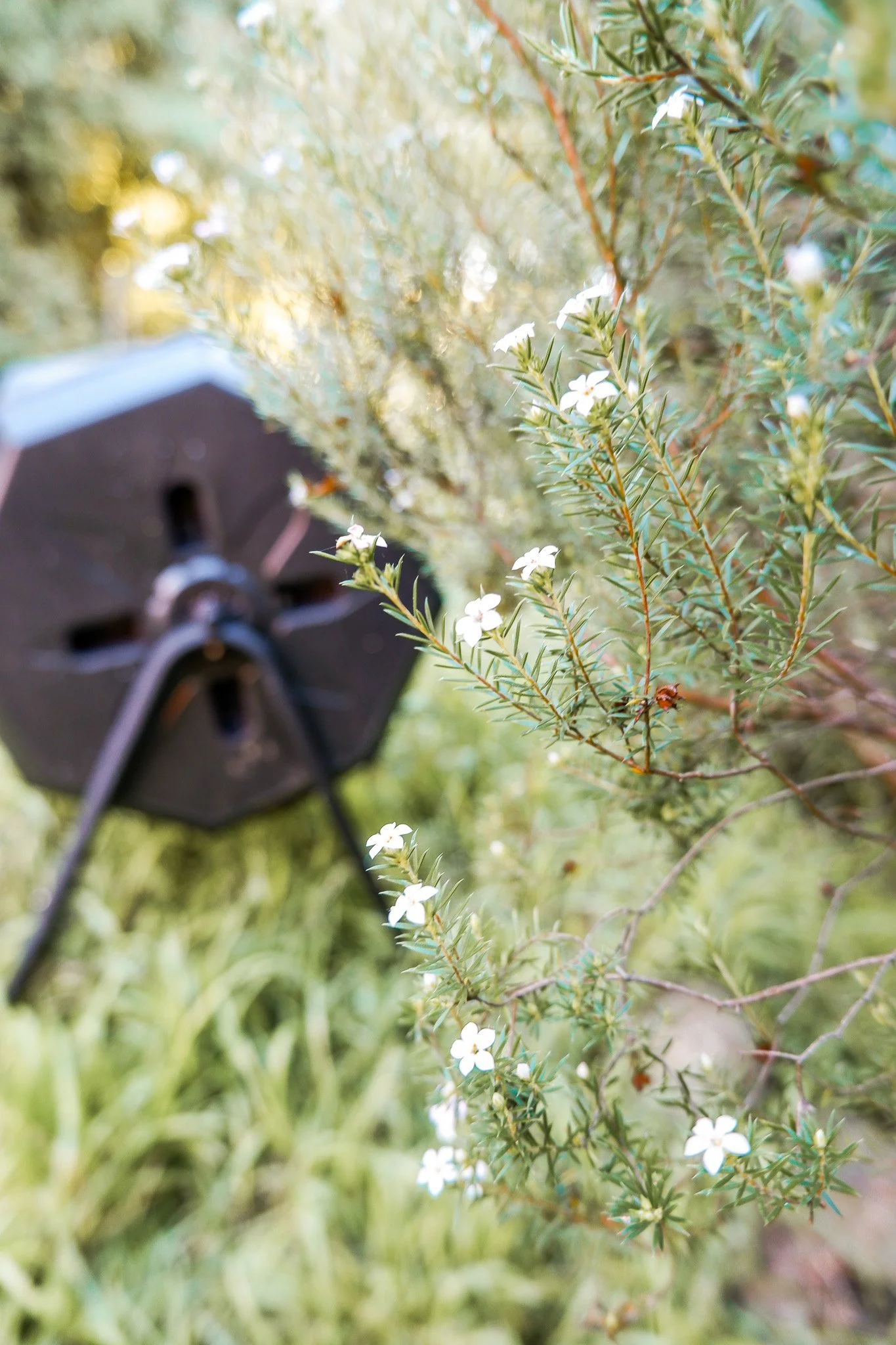
Habitat Hands is founded on the principles of environmental conservation, preservation and habitat creation.
We consider best environmentally friendly practice in all areas of our operations, what we do, how we do it, and what tools and products we use.
We are proud to deliver a service that is in the best interest of people, pets, wildlife, and the local environment.
Environment & Sustainability Areas
-
Our lawn mower and maintenance tools are battery operated avoiding the use of petrol-powered tools that create local toxic fumes and excessive noise pollution. Our Mower has an ECO MODE that uses less energy and is quieter than a standard mower, our battery systems are long lasting and energy efficient, and our tools are capable of adjusting their performance to reduce energy consumption.
-
We appreciate that there is a time and place for both native and exotic plants to benefit an ecosystem and garden. Native plants are important for supporting native bird, insect, and wildlife; However well adapted exotics can fill a gap that natives may not be able to for a number of reasons.
More than 65% of Australia’s national weeds are escaped garden plants. Our approach is to consider the ecosystem as a whole, who and what will be affected by what is planted, what the future of that plant will be and whether it will be appropriate to plant, for both Natives and Exotics.
-
Native wildlife is a vital part of a healthy functioning ecosystem and garden and an important consideration in the work of Habitat Hands. We also understand that every garden is unique in its needs, and we will determine gardening practises that are suitable for the needs of the garden whether it is attracting pollinators, birds, Possums, kangaroos, or needing assistance to safely deter them from access to certain elements of a garden.
This may look like the building and installation of possum boxes, Wildlife-safe netting, or planting food sources to encourage native birds.We aim for belonging and safety for People, Pets, and Wildlife within a shared space.
-
It is important that your garden is an inviting place that speaks to your personal needs and desires for a space and is safe for both people and their pets.
We include a focus on health, safety and access improvements in gardens, We research and avoid plants that are known toxins or allergens to people and pets - or that are specific to your individual sensitivities.
We are passionate animal lovers who also consider your animals behaviours such as running, digging, chewing, if they live outside, where they hang out, and what they may eat from the garden.If its safe to do so; we can feed many beneficial safe weeds to your smaller pets (chickens, guineapigs, rabbits).
We can help you create a space that is a thriving space for your beloved companion/s too. -
We follow Integrated Pest Management (IPM) in our approach toward dealing with Weeds, Pests and Diseases in the garden.
We use natural, non-toxic methods to manage pests and diseases that prioritise plant health, soil vitality, and biodiversity. Our management includes methods such as encouraging beneficial insects, using organic treatments and avoiding synthetic chemicals, appropriately timed weeding, dead heading, weed pulling, and a variety of other techniques dependent on the issues and associated risks. -
Healthy soil is the foundation of every thriving garden, it supports strong plant growth, holds water efficiently, and fosters biodiversity below the surface. Poor soil can lead to weak plants or inhibit successful growth, exclude important microorganisms, and require higher water or fertiliser usage to support life.
We consider the relevant parent rock type, cover cropping methods, what plants will be best suited to a soil, and introduce living soil organic matter, compost, and use methods that restore life, structure, and long-term fertility to the soil.
-
We consider habitat creation or preservation in all of our work, whether it is increasing soil health and biodiversity, including aspects in the garden that support life such as rocks, logs, or bird baths, Planting to encourage birdlife or cover for lizards, building frog or insect hotels and nesting boxes, or managing invasive plants that are decreasing habitat value of a garden.